
Decode the Sticker: The Truth About Produce Labels
(And What They’re Not Telling You)
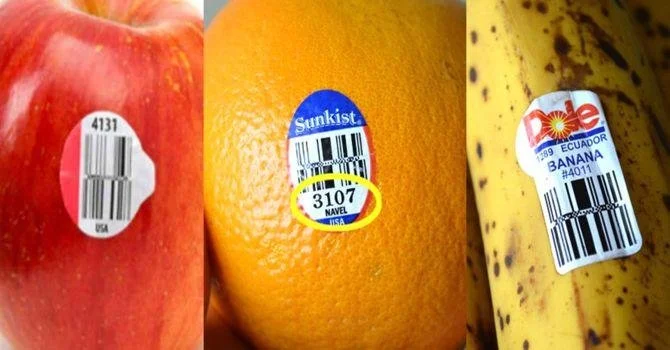
You’ve seen them.
Those tiny stickers clinging to apples, bananas, avocados—like quiet little whispers of “information.”
But here’s the truth most people miss:
They’re not talking to you.
They’re talking to the register.
🔍 What those codes actually mean
Let’s strip it down—no fluff, no fear tactics.
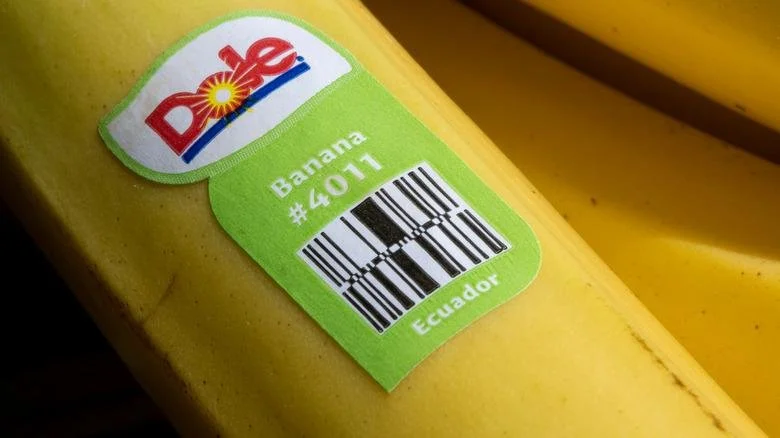
✔️ 4-digit codes
Example: 4011 (bananas)
➡️ Conventionally grown
➡️ Standard farming methods (yes, that can include pesticides)
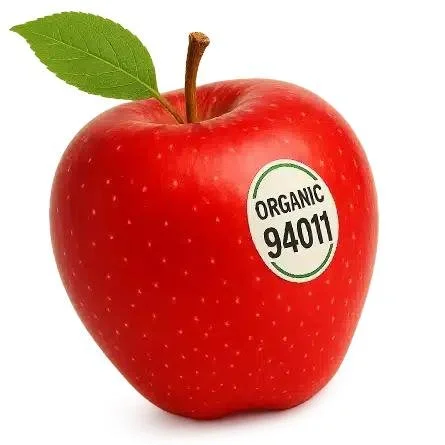
✔️ 5-digit codes starting with 9
Example: 94011
➡️ Organic
➡️ Grown under certified organic standards
⚠️ 5-digit codes starting with 8
You’ve heard it…
“8 means GMO.”
Not in today’s world.
That system was proposed—but it never became standard practice.
👉 Translation:
If someone’s using that as a hard rule—they’re behind the times.
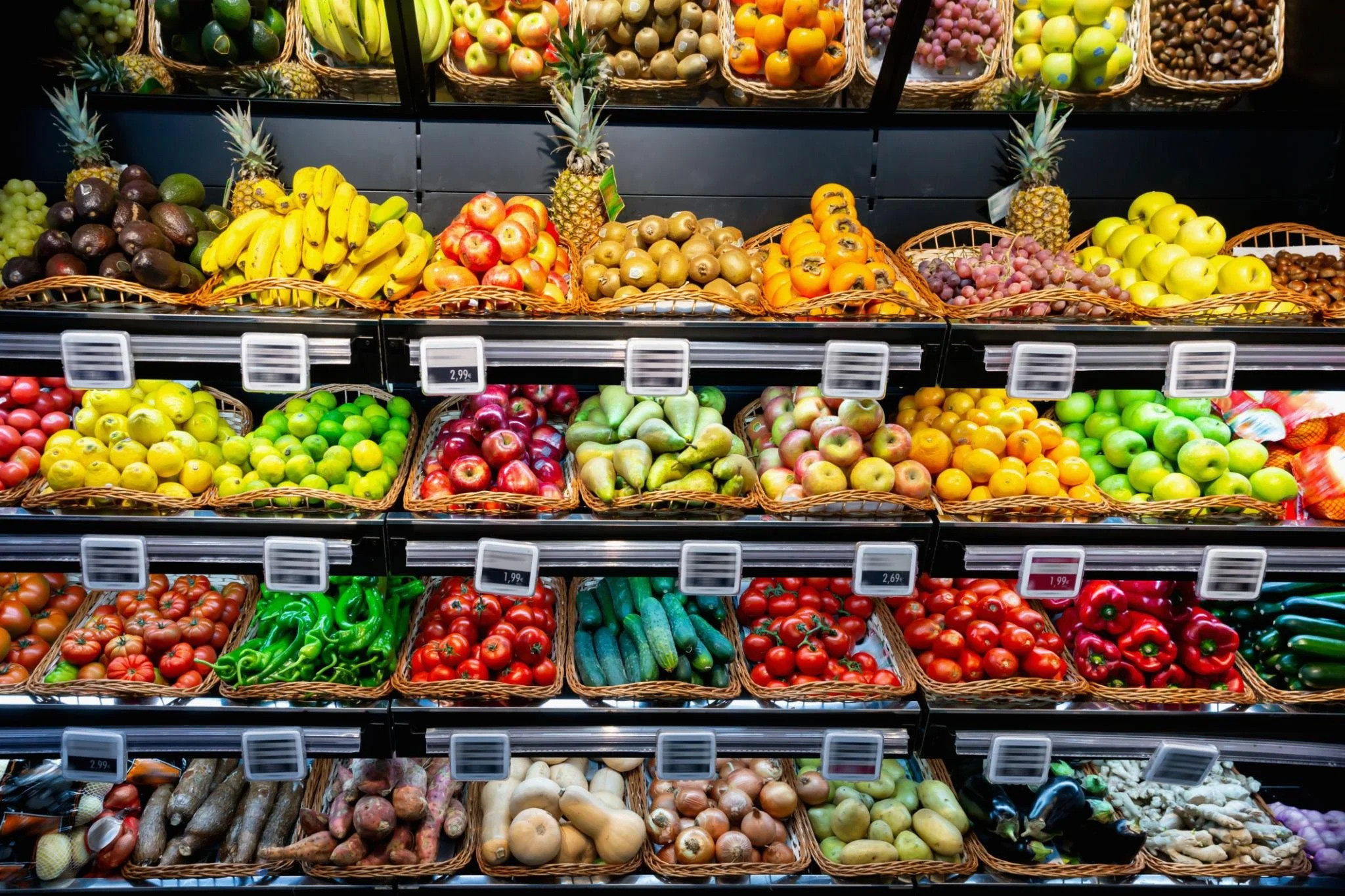
🚫 What these labels don’t tell you
This is where the illusion cracks.
Those stickers:
Don’t tell you what chemicals were used
Don’t tell you how it was handled or stored
Don’t tell you nutrient quality
Don’t tell you freshness
Don’t tell you anything about soil quality
They are not transparency tools.
They’re inventory tools.
And that should matter more than it does.
⚠️ Let’s say the quiet part out loud
Just because it’s a fruit or vegetable…
does not automatically make it “clean.”
That apple can still carry:
Pesticide residue
Wax coatings
Post-harvest treatments
That bag of spinach?
Could be weeks old
Grown in depleted soil
Handled and transported across multiple systems
“Healthy” has layers.
And most of those layers?
A sticker will never reveal.
👀 And here’s the part that gets almost ignored…
Even if you wanted to use the code…
Have you tried reading one lately?
Tiny. Faded. Curved around fruit.
Sometimes half peeled off.
Sometimes missing entirely.
Let’s be real:
👉 You’re in a grocery store, moving fast
👉 Lighting isn’t great
👉 You’re not pulling out a magnifying glass to decode a banana
So now we’ve got a system that:
Doesn’t tell you much
Isn’t designed for you
And isn’t even easy to use if you tried
That’s not transparency. That’s surface-level compliance.
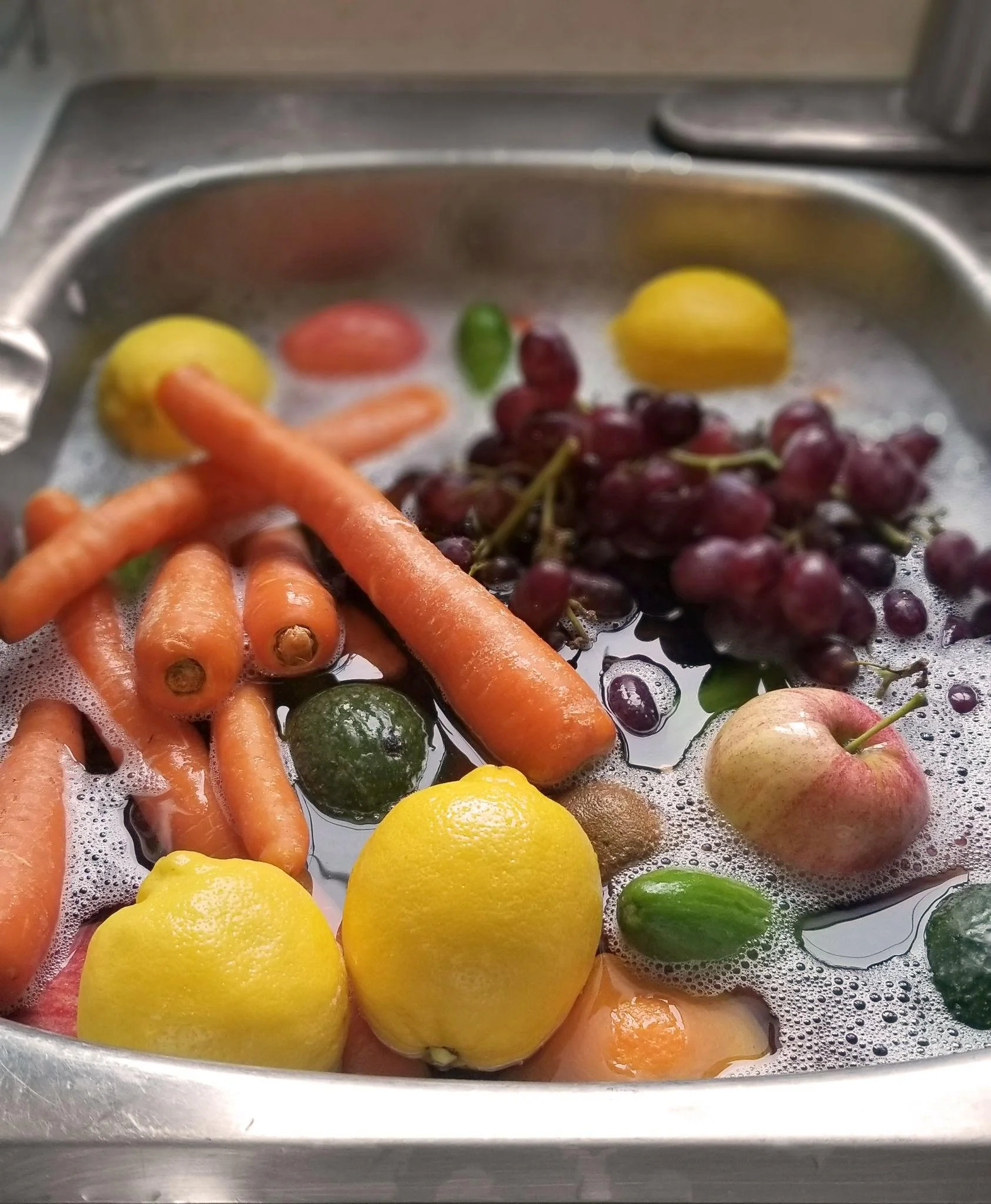
🌱 What actually matters (real-world guidance)
Let’s bring this back to something useful—because perfection isn’t the goal… clarity is.
✔️ Wash your produce
Always. No exceptions.
✔️ Buy local when you can
Freshness > travel miles
(Local farms often bring more transparency than labels ever will)
✔️ Use the “Dirty Dozen / Clean Fifteen” mindset
Not obsession—just awareness
✔️ Don’t fear conventional produce
If it’s between eating vegetables or avoiding them because they’re not “perfect”…
👉 Eat the vegetables.
🔥 The bigger issue (and why this matters)
This isn’t really about stickers.
It’s about a system that gives:
just enough information to feel informed…
but not enough to actually be informed.
And that gap?
That’s where confusion grows.
That’s where trust breaks down.
That’s where people either panic… or stop caring altogether.
🌿 Final word
Those tiny codes aren’t villains.
But they’re not your guide either.
They’re a whisper in a loud room—
and if you rely on them alone,
you’re only hearing part of the story.
Your power isn’t in decoding a sticker.
It’s in understanding the system behind it.
And choosing wisely anyway.
Want to know what other things are hiding behind labels?
Check out more here:
👉🏼 Bio-Engineered Foods, Glyphosate & the QR Code Shell Game