
“Fat” Is Not a Failure:
Reclaiming Worth in a Body-Obsessed World
Fine Tuning Fitness — Health Explained Series
Some words carry more than definition.
They carry history. Shame. Memory. Social bruises that never fully faded.
“Fat” is one of those words.
People say it casually now. Sometimes joking. Sometimes with a shrug. Sometimes like it’s no big deal.
But most of the time, it does not sound neutral.
It sounds loaded.
It sounds tired.
It sounds like a person has been carrying something heavy for a very long time.
As a fitness coach, I hear versions of it often:
“Can you help me get rid of all my fat?”
“I’m just fat and out of shape.”
“I need to lose this.”
And what I hear underneath those words is often this:
“Please make me acceptable again.”
“Please fix what I think is wrong with me.”
That’s not just a fitness request.
That’s a worth request.
And that changes the whole conversation.
When a Word Becomes a Wound
For some people, “fat” is just a descriptor.
But for many, it is tied to rejection, ridicule, invisibility, comparison, and quiet self-contempt.
Once upon a time, being “the fat kid” could mark someone for years. It could shape how they were treated, what they believed about themselves, and how safe they felt in their own skin.
Now culture sends mixed signals.
We are told weight is “no big deal.”
We are told to love ourselves.
We are told beauty comes in all shapes.
And yet the pressure never really stopped.
Women are still expected to stay small, toned, smooth, and somehow untouched by time. Men are still expected to stay strong, lean, capable, and physically commanding. Aging is treated like failure. Softness is treated like laziness. Extra weight is treated like evidence.
So no, people did not suddenly stop caring.
They just got better at hiding the pain behind humor.
That joke — “I’m fat haha” — often is not humor at all.
It is armor.
If they say it first, maybe nobody else can use it against them.
The Pressure on Women Runs Deep
Let’s tell it straight: women have carried a brutal amount of body pressure for generations.
Be thinner.
Be prettier.
Be younger.
Be toned but not too muscular.
Be natural, but flawless.
Age gracefully, which usually means do not appear to age at all.
That pressure has fueled entire industries: diet culture, weight-loss gimmicks, cosmetic procedures, injections, surgeries, filters, shapewear, detoxes, and expensive insecurity marketed as empowerment.
A woman can be smart, kind, capable, faithful, hardworking, generous, and strong — and still feel like she is losing in life because her body changed.
That is not vanity.
That is conditioning.
Many women were taught early, without anyone saying it outright, that their value and visibility were tied to how well they could conform.
Men Struggle Too — Often More Quietly
Men are not spared. They are just often given less permission to talk about it.
The modern American diet has changed body composition across the board. Even people who try to eat well are swimming upstream against processed food, chronic stress, poor sleep, hormonal disruption, long work hours, and sedentary living.
For older men especially, lower testosterone, increased abdominal weight, reduced muscle mass, and declining energy can hit hard — not just physically, but psychologically.
A man who no longer feels strong in his own body may quietly start to question his vitality, his confidence, even his identity.
But because many men are taught to bury insecurity, it often gets masked as silence, irritability, withdrawal, or self-deprecating humor.
Different packaging. Same wound.
Fat Is Tissue, Not Identity
This needs to be said plainly:
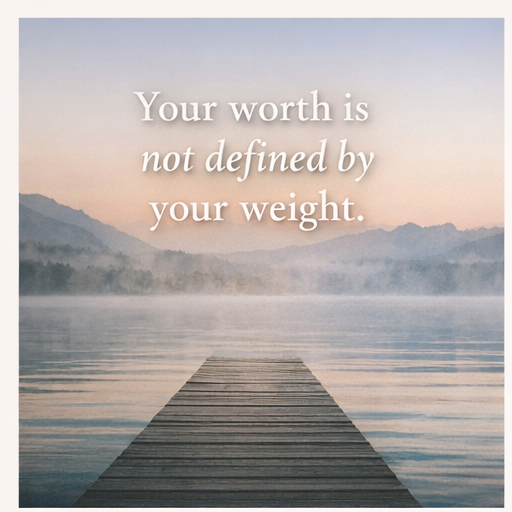
Fat is tissue, not identity.
It is not a character verdict.
It is not a moral category.
It is not proof that someone is lazy, weak, undisciplined, or unworthy.
Bodies change.
They change with:
stress
hormones
trauma
age
medication
sleep loss
grief
inactivity
overwork
under-eating
inflammation
survival mode
Sometimes weight gain is a result of choices.
Sometimes it is a result of circumstances.
Most often, it is a mix of both, tangled together in ways far more complicated than people want to admit.
Weight gain is often a symptom, not the crime.
And sometimes the body is not betraying a person at all.
Sometimes it is adapting, cushioning, compensating, surviving, protecting.
That does not mean health does not matter.
It does. Deeply.
But health and shame are not the same thing.
And too often, we have confused them.
The Mind and Body Are Always Talking
Weight is not only physical.
It is often emotional, neurological, hormonal, and behavioral too.
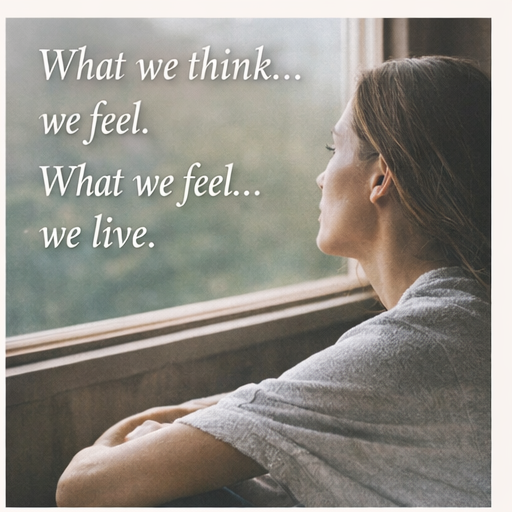
The body listens to the mind more than most people realize.
Thoughts of shame, fear, criticism, and defeat are not harmless background noise. Over time, they can shape how a person sleeps, eats, moves, copes, and recovers. They can deepen stress patterns, feed hopelessness, and slowly pull someone into survival mode.
And survival mode changes the body.
Chronic stress can raise cortisol. Trauma can keep the nervous system on high alert. Depression can drain energy, disrupt sleep, increase cravings, lower motivation, and make even simple self-care feel heavy. Anxiety can push people toward over-controlling food or emotionally reaching for it. Shame can create the very cycles people are desperate to escape.
That is one reason losing fat is not always as simple as burning more calories and eating fewer.
Yes, food matters.
Yes, movement matters.
Yes, habits matter.
But so do stress, safety, sleep, grief, thought patterns, hormones, and the stories a person keeps telling themselves.
A body that feels under attack will often respond differently than one that feels supported.
Sometimes the path forward is not more punishment.
Sometimes it is calming the system, rebuilding trust, and giving the body fewer reasons to keep holding on.
Why “Fat Talk” Does Damage
The casual self-attack may seem harmless, but over time it teaches the body that it is living with an enemy.
When people constantly call themselves “fat,” even jokingly, it can:
reinforce shame and body disgust
disconnect them from hunger, fullness, and body signals
make exercise feel like punishment instead of care
increase all-or-nothing thinking
tie self-worth to appearance instead of function and health
make lasting change harder, not easier
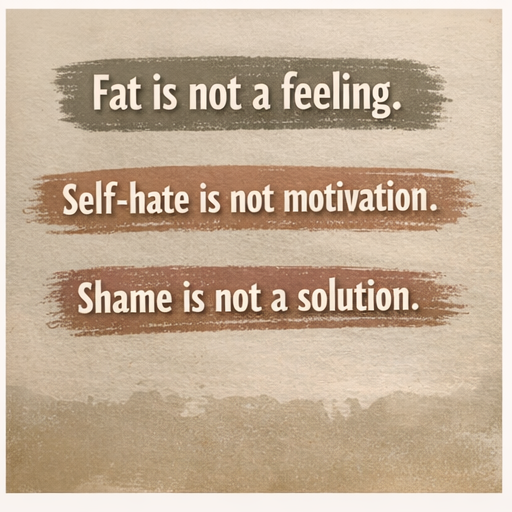
Shame might light a short fuse.
But it is terrible fuel for long-term change.
It burns hot, then leaves people exhausted.
A person may white-knuckle a diet from self-hate for a while.
But sustainable health usually grows from something steadier: self-respect, honest support, consistent habits, and a body that feels safe enough to change.
We Have a Worth Problem, Not Just a Weight Problem
That may be the deepest truth of all.
For many people, this is not really about fat.
It is about identity.
Belonging.
Desirability.
Visibility.
Control.
Fear of rejection.
People do not just want a smaller body.
They want relief.
They want dignity.
They want to stop feeling “less than.”
They want to believe they still matter.
And no number on a scale can fully solve that.
Because if someone believes they are unacceptable now, the goalpost will often keep moving. Five pounds lost becomes ten. A smaller size becomes a new flaw. A compliment becomes pressure to maintain.
That is why body shame is such a liar.
It promises freedom and then keeps people chained.
A Better Way to Talk About the Body
What if we stopped asking,
“How do I get rid of this body?”
And started asking,
“How do I care for this body better?”
What if the goal shifted from punishment to partnership?
Instead of:
“I hate my stomach”
“I’m so fat”
“I need to get rid of this”
What if the language became:
“I want to feel stronger”
“I want more energy”
“I want to move with less pain”
“I want to feel steady, capable, and at home in my body again”
That is not denial.
That is a healthier starting line.
Because bodies tend to respond better when they are supported, not bullied.
Fitness Should Never Be a Worth Test
Movement can improve strength, mood, insulin sensitivity, bone density, confidence, balance, endurance, and quality of life.
Nutrition can improve energy, inflammation, muscle retention, recovery, and long-term health.
Those things matter.
But fitness should not become another altar where people sacrifice their peace trying to earn approval.
The body is not a report card.
And coaching should not reinforce the belief that a person has to become smaller to become more valuable.
The best coaching does not say:
“Let’s fix what’s wrong with you.”
It says:
“Let’s build what supports you.”
The Truth I Hope More People Hear
You are not your soft parts.
You are not your worst photo.
You are not a number, a joke, a failed diet, or a label you learned to use against yourself before someone else could.
Your body may need support.
Your habits may need help.
Your health may need attention.
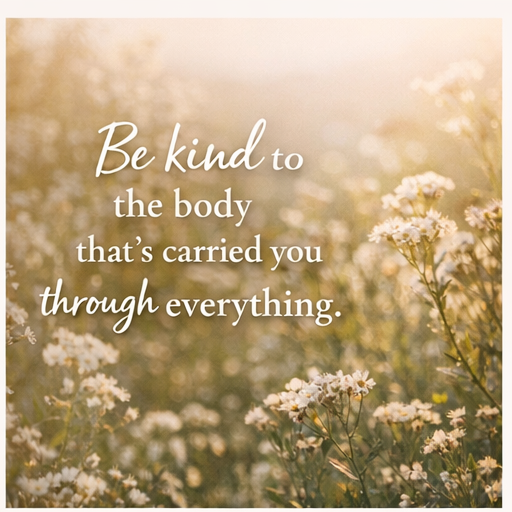
But your worth was never waiting at the finish line of weight loss.
It is already here.
And real change — honest, sustainable, life-giving change — tends to begin right there: not in self-hatred, but in truth, clarity, and a decision to work with your body instead of waging war against it.
Fat is not a failure.
And you are not a body to be punished.
You are a human being worthy of care.
Closing Reflection
Maybe the better question isn’t, “How do I get rid of my fat?”
Maybe the better question is:
“What has my body been carrying… and how can I help it heal?”