
Red Light Therapy for Healing, Recovery, and Results
Fine Tuning Fitness — Health Explained Series
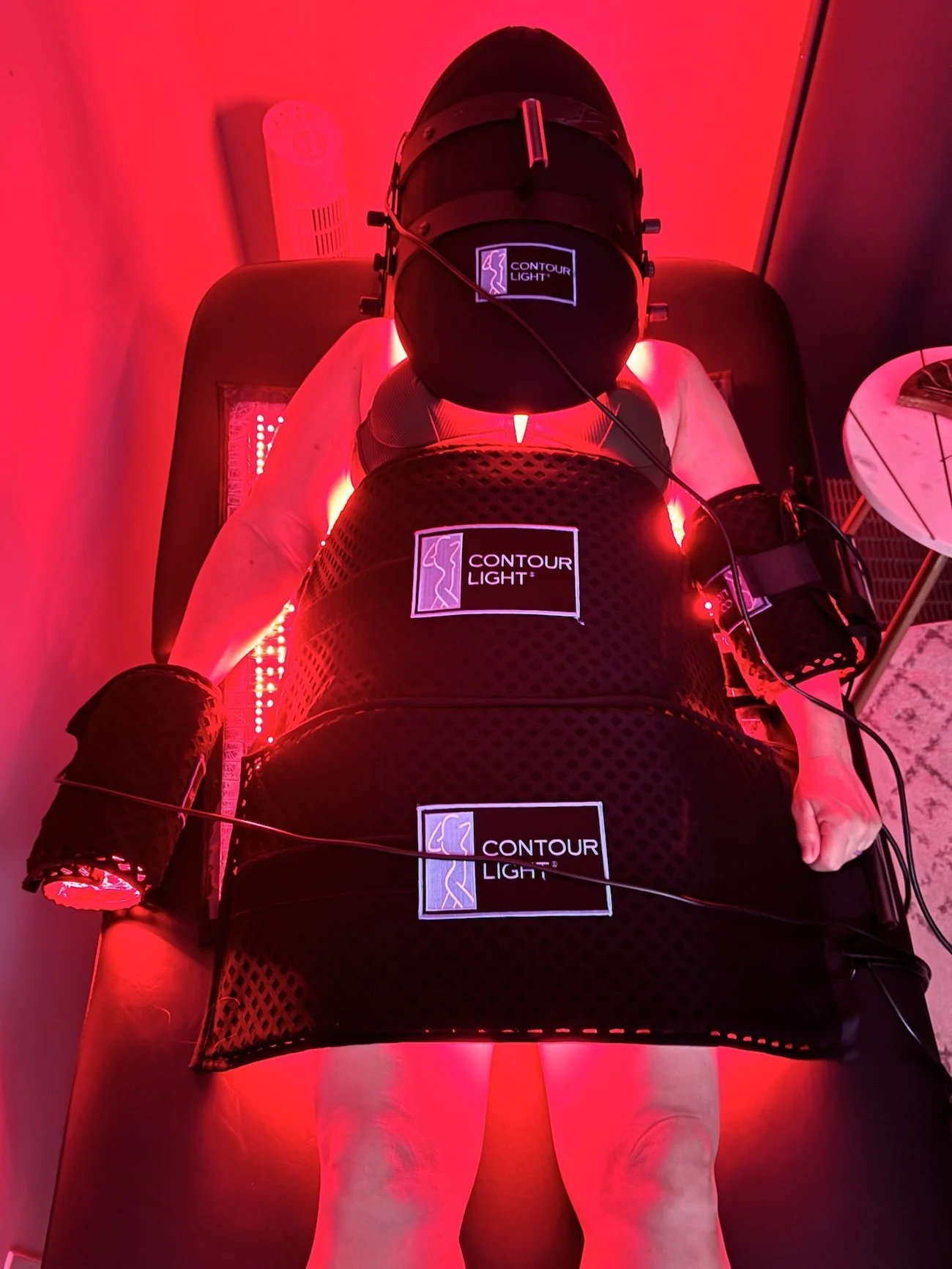
A Deeper Look at Photobiomodulation Therapy (PBM)
Red light therapy—also known as photobiomodulation (PBM)—has gained significant attention for its ability to support healing, reduce inflammation, and improve recovery.
If you’re new to this topic, you can start with a foundational overview here:
👉 https://www.finetuningfitness.com/blogs/red-light-therapy-arthritis-photobiomodulation
This article takes it a step further—looking beyond the basics into what actually happens in the body, what to expect, and what influences results.
What Photobiomodulation Is Really Doing
At its core, PBM is not forcing the body to heal.
It’s stimulating the body’s natural ability to repair itself.
When red and near-infrared light reach the tissue, they interact with mitochondria—the energy centers of our cells—helping increase ATP production.
This supports:
• cellular energy
• tissue repair
• circulation
• inflammation regulation
But this is not instant.
It’s a process that builds with consistency.
What Happens During Treatment
With repeated sessions, photobiomodulation helps:
• improve blood flow to the area
• support cellular repair processes
• regulate inflammatory response
• enhance recovery over time
This is why consistency matters more than intensity.
What to Expect
One of the most common questions is:
“How long before I notice a difference?”
In my experience working with patients, many—especially those dealing with arthritis or soft tissue injuries—began to notice genuine, measurable improvement after approximately 7–10 treatments.
That often showed up as:
• reduced pain
• improved mobility
• less stiffness
But that point is not the finish line.
It’s the signal that the body is responding.
Stopping there often limits the full benefit.
How Long a Treatment Plan Should Be
A typical approach includes:
• 3–5 sessions per week
• for 4–8 weeks depending on the condition
After that, many people transition into a maintenance phase.
What Helps the Body Respond Better
Hydration
Drinking water immediately after treatment supports:
• circulation
• lymphatic movement
• cellular activity
Think of it as helping the body carry out the work that was just stimulated.
Light Movement
A short walk—just 5–10 minutes—can help:
• improve circulation
• distribute nutrients
• support recovery
Nothing intense. Just movement.
A Note on Body Composition and Results
One factor that can influence how red light therapy works is tissue depth.
Light can only penetrate so far.
Because of this:
• areas with less tissue between skin and joint may respond more quickly
• areas with greater tissue depth may take more time and consistency
This does not mean the therapy won’t help.
It simply means results may vary and patience becomes part of the process.
Supporting Recovery Beyond Light
Photobiomodulation provides the signal—but the body still needs the building blocks.
Adequate nutrition, especially protein, supports:
• tissue repair
• collagen formation
• recovery processes
Healing is not just about stimulation—it’s also about supply.
(A deeper dive on protein and collagen for recovery is coming soon.)
Eye Protection Matters
• Avoid looking directly at the lights
• Brief exposure while positioning is fine
• Use protection when treating the face
Pads are not ideal for facial use—a facial device or shield is more appropriate.
Who Should Use Caution
Red light therapy is generally safe, but individuals with existing conditions should consult a provider:
• kidney disease
• active cancer
• seizure disorders
• implanted devices
f you’re looking for specific device recommendations, you can explore the full buying guide here:
👉 View Red Light Therapy Buying Guide
Frequently Asked Questions
Does red light therapy really work for arthritis?
Photobiomodulation therapy has shown encouraging results in both research and clinical settings for supporting joint health.
In practice, many individuals with arthritis report improvements in:
• pain levels
• joint stiffness
• mobility
Red light therapy does not “cure” arthritis, but it can help support the body’s ability to regulate inflammation and improve function when used consistently.
How long does it take to see results?
Results vary depending on the condition and consistency of use.
In my experience working with patients, many began to notice meaningful improvements after approximately 7–10 treatments.
That early improvement is often a sign that the therapy is working—not a signal to stop.
Continued, consistent use is typically needed for more lasting results.
How often should red light therapy be used?
A common approach is:
• 15–30 minutes per session
• 3–5 times per week
More frequent use in the beginning can help stimulate a response, followed by a maintenance phase once improvements are established.
Should you drink water after red light therapy?
Yes.
Drinking water immediately after treatment helps support:
• circulation
• lymphatic movement
• cellular activity
Hydration plays a small but meaningful role in helping the body respond to the therapy.
Is movement helpful after treatment?
Yes.
A short walk or light movement after treatment can help improve circulation and support the healing response.
It does not need to be intense—just enough to keep the body moving.
How deep does red light therapy penetrate?
Red light works more superficially, while near-infrared light can reach deeper tissues such as muscles, tendons, and joints.
This is why devices that combine both red and near-infrared wavelengths are often recommended for joint and musculoskeletal support.
Are mats better than panels?
For joint pain, arthritis, and localized injuries, many people find mats and wraps more practical.
Because they sit directly against the skin, they allow for more targeted treatment and better light delivery to the area.
Panels can still be useful, but they are typically positioned farther from the body.
Do I need eye protection?
Yes, especially when treating the face.
• Avoid looking directly at the lights
• Brief exposure while positioning the device is fine
• Use proper eye protection when needed
Pads and wraps are generally not ideal for facial use. A dedicated facial device is a better option for that area.
How long should a treatment plan last?
Most people benefit from an initial phase of:
• 3–5 sessions per week
• for 4–8 weeks
After that, many transition to a maintenance approach depending on their needs and symptoms.
Closing Reflection
The body is not broken.
It’s often just overwhelmed… under-supported… or waiting for the right signal.
Photobiomodulation isn’t a magic fix.
It’s a gentle nudge—reminding the body what it already knows how to do.
Sometimes healing doesn’t need more force.
Sometimes it needs better conditions.
A little light.
A little movement.
A little consistency.
And the patience to let the body respond.
— Jen 💙
For those interested in device options—including wraps, mats, and facial devices—you can explore a full buying guide here: