
Red Light Therapy for Pain, Recovery, and Arthritis
The Science and Real-World Results of Photobiomodulation Therapy
Fine Tuning Fitness — Health Explained Series
In recent years, red light therapy—also known as photobiomodulation (PBM)—has gained significant attention in both medical research and clinical practice. From professional athletes recovering from injuries to patients suffering from chronic joint pain, this technology is proving to be a powerful, non-invasive option for improving healing and reducing inflammation.
As someone who has personally used photobiomodulation therapy with many patients—including athletes and individuals struggling with arthritis—I’ve seen firsthand how effective it can be when used correctly. The results can be remarkable.
But what exactly is red light therapy, how does it work, and why is it gaining credibility in mainstream medicine?
Let’s break it down.
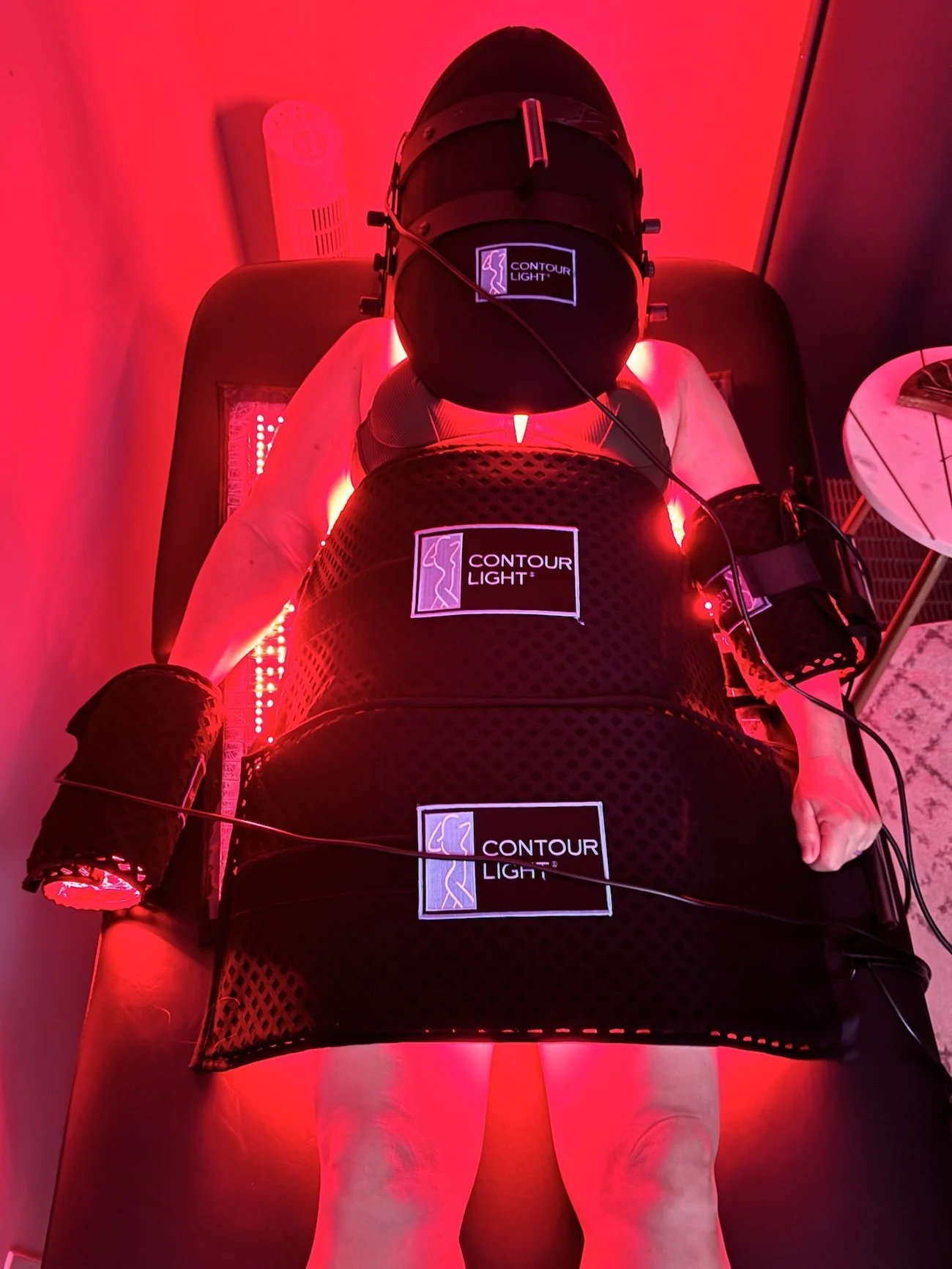
What Is Red Light Therapy?
Red light therapy (RLT) uses specific wavelengths of red and near-infrared light to stimulate cellular activity within the body. Unlike ultraviolet light from the sun, these wavelengths are safe and penetrate tissues without causing damage.
When red or near-infrared light enters the body, it interacts with mitochondria—the tiny energy generators inside our cells. This interaction increases cellular energy production, helping tissues repair and regenerate more efficiently.
This process is known as photobiomodulation.
How Red Light Therapy Supports Healing
Photobiomodulation influences several biological processes that are essential for recovery and pain relief.
Increased Cellular Energy
The light stimulates mitochondria to produce more ATP (cellular energy), which supports tissue repair and regeneration.
Reduced Inflammation
Red and near-infrared light can help regulate inflammatory pathways and cytokines, leading to reduced swelling and joint stiffness.
Improved Blood Flow
Improved circulation delivers oxygen and nutrients to injured tissues, accelerating recovery.
Enhanced Tissue Repair
Photobiomodulation encourages collagen production and cellular repair, which is why it is often used for skin health and wound healing.
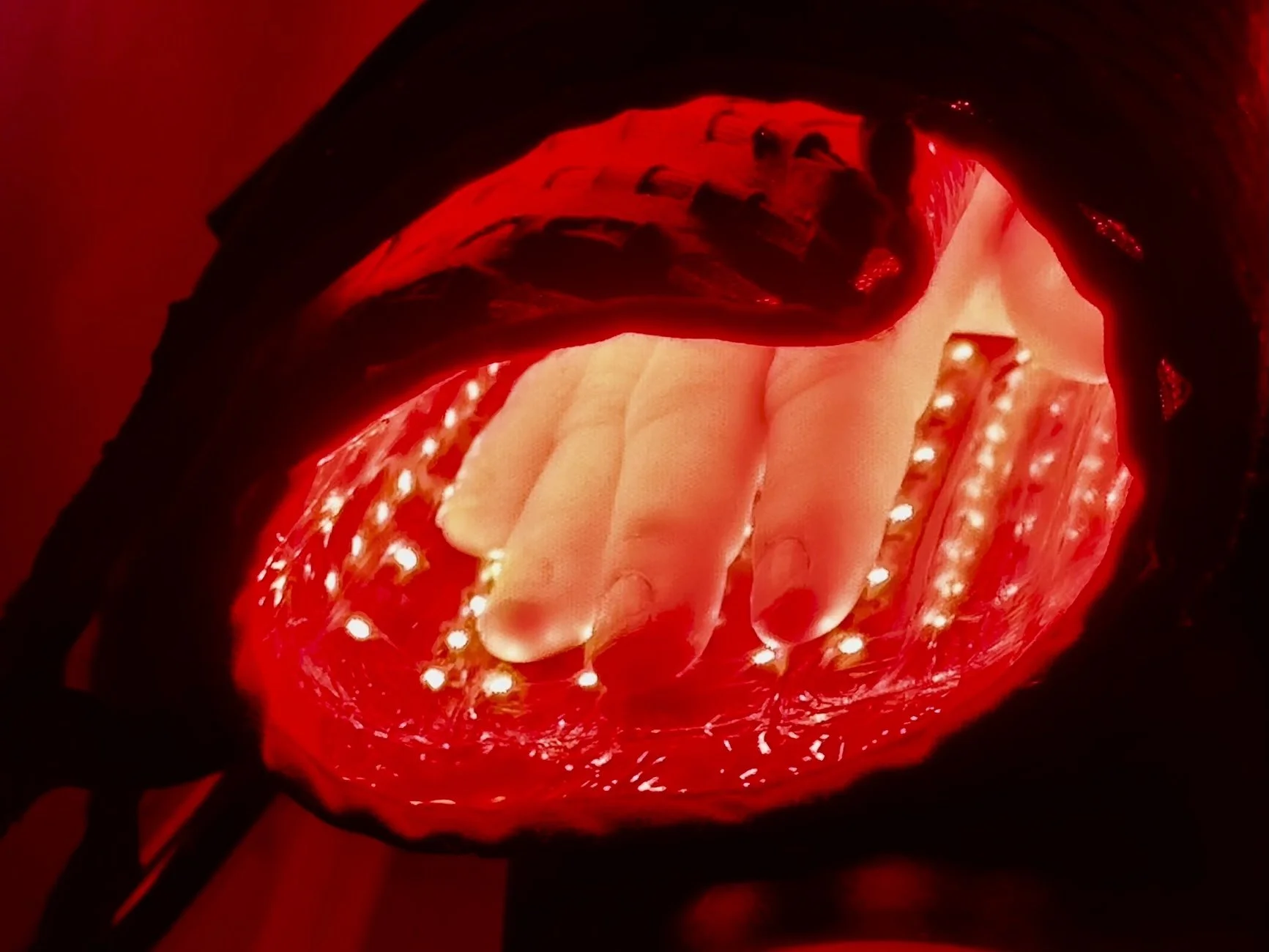
Conditions Red Light Therapy May Help
While research continues to grow, studies and clinical experience show promising results in several areas.
Osteoarthritis and Joint Pain
Photobiomodulation therapy has shown encouraging outcomes for reducing pain and improving mobility in patients with knee osteoarthritis.
Research and clinical reports suggest PBM therapy can improve joint function and reduce stiffness by influencing inflammation and cellular repair mechanisms.
Athletic Recovery
Many professional and recreational athletes use red light therapy to:
• reduce muscle soreness
• improve recovery time
• accelerate tissue healing after training or injury
Tendon and Soft Tissue Injuries
Red light therapy is increasingly used to support healing in conditions such as:
• rotator cuff injuries
• tendonitis
• muscle strains
• ligament irritation
Chronic Pain Conditions
Because PBM influences inflammation, circulation, and cellular repair, it may provide relief in a variety of musculoskeletal conditions.
What Major Medical Institutions Say
Major medical centers are continuing to study and explore photobiomodulation therapy.
For example, the Cleveland Clinic describes red light therapy as a growing treatment approach that uses low-level wavelengths of light to stimulate biological changes in tissues and support healing.
While research is ongoing, many clinical studies demonstrate promising results in areas such as inflammation reduction, tissue repair, and pain relief.
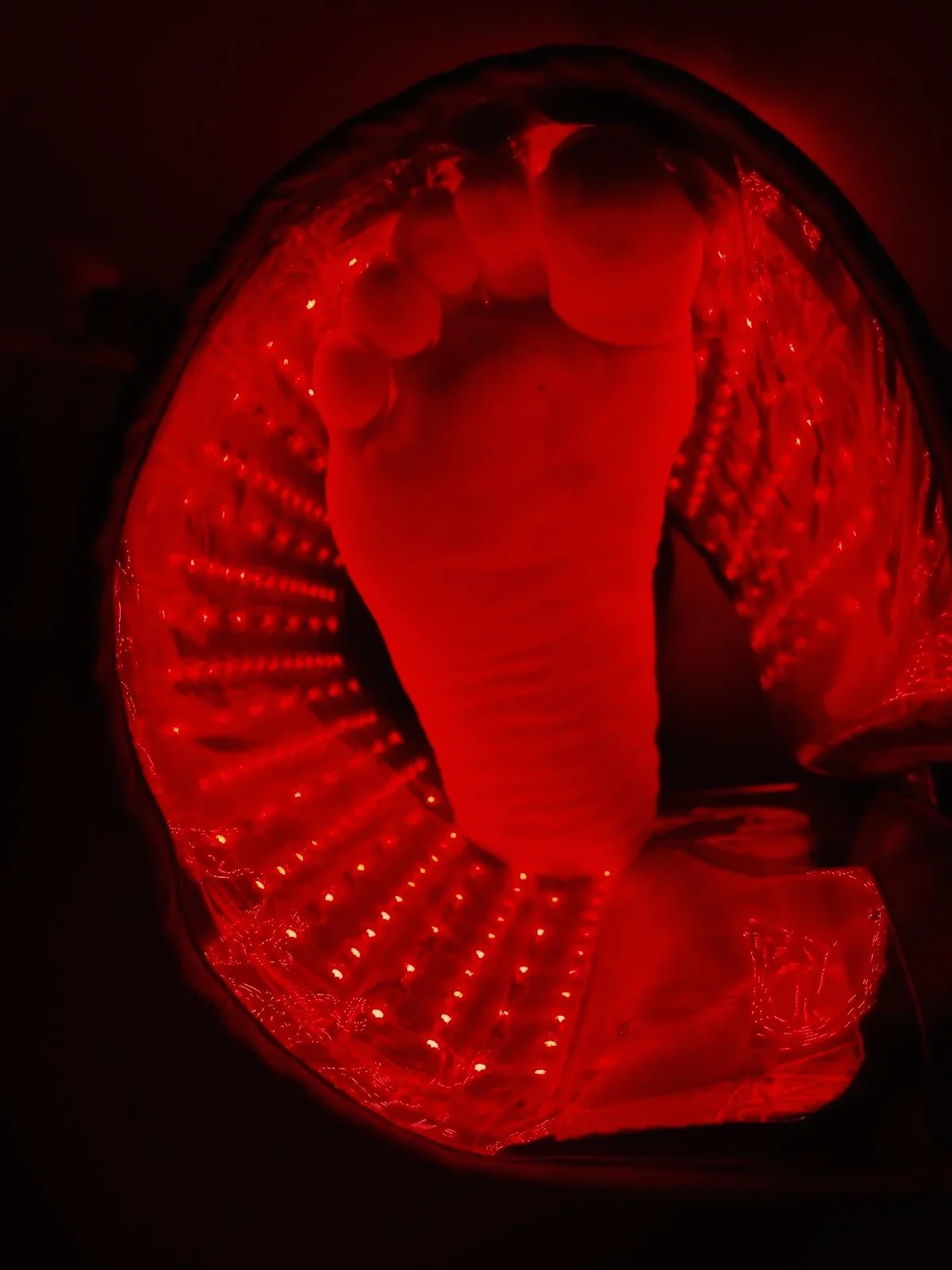
My Experience Using Photobiomodulation Therapy
Before recommending any therapy, I believe it must prove itself in real life—not just in theory.
As the photobiomodulation therapist in a patient-care setting, I saw firsthand how effective red light therapy could be for many patients.
The results I saw were impressive:
• Athletes recovering faster from injuries
• Patients experiencing meaningful reductions in arthritis pain
• Improved mobility in stiff or inflamed joints
• Faster recovery in soft tissue injuries
Many patients who had struggled with chronic pain for years experienced significant improvement after consistent treatments.
Photobiomodulation is not magic—but when applied correctly and consistently, it can be a powerful tool in the healing process.
Below is a short demonstration of photobiomodulation therapy using red and near-infrared light pads similar to those used in clinical settings.
Clinic Treatments vs Home Red Light Therapy Devices
Professional PBM systems used in clinics typically deliver higher output levels and are applied by trained practitioners.
However, high-quality home devices can still be very effective, especially for ongoing conditions such as arthritis or recovery after exercise.
The key factor is consistency.
Regular sessions can help maintain reduced inflammation and support tissue recovery over time.
What to Look for in a Red Light Therapy Device
Not all red light therapy products are created equal. When choosing an at-home device, consider several important features.
Dual Wavelengths
Look for devices that include both:
• 660 nm red light (surface tissues)
• 850 nm near-infrared light (deeper tissue penetration)
These wavelengths are commonly used in therapeutic photobiomodulation devices.
Flexible Pads or Wraps
Flexible pads work especially well for joints such as:
• knees
• shoulders
• hips
• lower back
They allow the light to stay close to the tissue, which improves effectiveness.
LED Density
More LEDs generally provide better coverage and more consistent light distribution across the treatment area.
Warranty and Build Quality
Since these devices may be used frequently, choosing a company with a solid warranty and customer support is important.
Red Flags vs Green Flags When Buying a Red Light Therapy Device
Not all red light therapy devices are created equal.
As red light therapy has grown in popularity, so has the number of products making bold claims. Some devices are thoughtfully designed and backed by solid specifications. Others are little more than slick marketing aimed at people who don’t yet know what to look for.
If you’re shopping for a home device, here are a few green flags and red flags to keep in mind.
✅ Green Flags: Signs of a Better Device
Dual Wavelengths
Look for devices that use both:
• 660 nm red light
• 850 nm near-infrared light
This combination offers support for both surface tissues and deeper structures such as muscles, tendons, and joints.
Flexible Pads or Mats for Joint Use
For arthritis, tendonitis, and localized injuries, flexible wraps or mats are often more practical than panels because they allow the light to sit directly against the skin.
This close contact can improve delivery of light to the target area.
Clear Specifications
A reputable company should clearly state:
• wavelengths
• treatment area
• LED count
• warranty
• usage instructions
The more transparent the information, the better.
Strong Warranty and Customer Support
A solid warranty matters.
Devices with longer warranties often reflect greater confidence in product quality. If a company offers little support or vague warranty language, that should raise concern.
Realistic Claims
Trust companies that describe red light therapy as a supportive wellness and recovery tool, not a miracle cure.
Photobiomodulation can be very helpful, but honest brands avoid exaggerated promises.
❌ Red Flags: Signs to Be Careful
“Miracle Cure” Marketing
Be cautious with companies claiming their device will:
• cure arthritis
• reverse disease
• heal everything quickly
• replace medical care
Red light therapy can support healing, but exaggerated claims are a warning sign.
Vague or Missing Wavelength Information
If a company does not clearly list the wavelengths used, that is a problem.
Without that information, you have no way of knowing whether the device is designed for therapeutic use.
No Warranty or Poor Warranty
If a device is expensive but only offers a very limited warranty—or no clear warranty at all—that should make you pause.
These devices may be used frequently, so durability matters.
Too Good to Be True “Massive Sales”
Be cautious of websites that constantly show dramatic countdown timers, huge fake discounts, or pressure tactics.
A quality product should stand on its own without excessive urgency marketing.
No Guidance for Safe Use
A reputable brand should explain:
• how often to use the device
• how long sessions should be
• who should use caution
If safety guidance is missing, that’s not a good sign.
My Buying Philosophy
When I recommend a red light therapy device, I look for four things:
• the correct wavelengths
• practical design for real-world use
• reliable warranty support
• realistic, responsible marketing
A good device should support healing without overpromising and without forcing buyers to guess what they’re getting.
In a market full of glowing ads and exaggerated claims, clarity matters.
The best red light therapy device is not always the one with the flashiest ad or the biggest discount.
It’s the one that combines the right wavelengths, thoughtful design, consistent use, and trustworthy support.
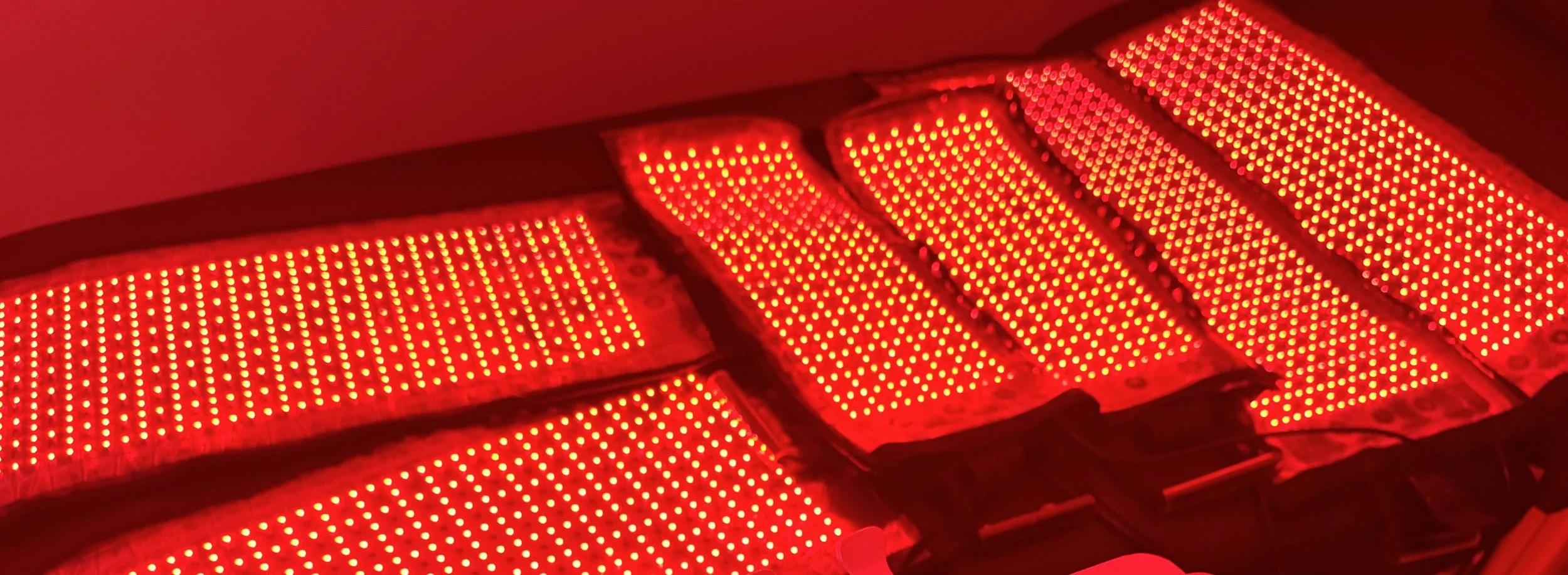
Why I Prefer Red Light Therapy Mats Over Panels
Many red light therapy devices come in the form of light panels, but in practice I often prefer pads or flexible mats.
Direct Skin Contact
Pads sit directly against the body, allowing more light energy to reach the target tissue.
Panels are typically positioned several inches away from the body, which means some light energy is lost before reaching the skin.
Greater Penetration for Joints
Near-infrared wavelengths around 850 nm are designed to penetrate deeper tissues.
When the light source is closer to the body, more photons reach deeper structures such as joints and tendons.
This is particularly helpful for conditions such as:
• knee arthritis
• shoulder injuries
• tendonitis
• deep muscle inflammation
Better Targeting
Pads and wraps can be positioned exactly where treatment is needed:
• wrapped around the knee
• placed over the shoulder joint
• positioned along the lower back
This makes them especially practical for arthritis and localized injuries.
More Comfortable for Regular Use
Because mats conform to the body, many people find them easier to use consistently. Consistency is one of the biggest factors in whether photobiomodulation therapy produces noticeable results.
For these reasons, I typically recommend mats or flexible pads for home use, particularly for people dealing with arthritis or joint pain.
Clinical Protocols for Red Light Therapy
Knee Osteoarthritis
Placement
Around the knee joint line
Session length
15–30 minutes
Frequency
3–5 times per week
Hydration
Drink water immediately after treatment to support circulation and cellular recovery.
Shoulder Injuries
Placement
Front and back of the shoulder joint
Session length
15–30 minutes
Frequency
3–5 times per week
Athletic Recovery
Placement
Major muscle groups after exercise
Session length
15–30 minutes
Frequency
3–5 times per week
Hydration afterward helps support recovery.
⚠️ Who Should Avoid Red Light Therapy or Use Caution
Red light therapy is generally considered safe and non-invasive, but there are situations where people should use caution or consult a healthcare professional before starting treatment.
Individuals who should avoid or use extra caution include:
Active Cancer
Photobiomodulation stimulates cellular activity and circulation. Anyone with active cancer should consult their physician before using red light therapy.
Pacemakers or Implanted Electronic Devices
Some therapy devices contain electronic components that may theoretically interfere with implanted devices. Individuals with pacemakers or implanted medical devices should consult their doctor first.
Kidney Disease
Those with advanced kidney disease should seek medical advice before using new therapies that influence circulation or cellular metabolism.
Epilepsy or Seizure Disorders
Flashing or pulsed light can potentially trigger seizures in individuals with photosensitive epilepsy.
Light-Sensitive Medications
Some medications increase sensitivity to light, including certain:
• antibiotics
• acne medications
• anti-inflammatory medications
• psychiatric medications
If you are taking medications that cause photosensitivity, consult a healthcare professional before using red light therapy.
Pregnancy
While red light therapy is generally considered low risk, many practitioners recommend consulting a healthcare provider before use during pregnancy.
How Deep Does Red Light Therapy Penetrate?
One of the most common questions people ask is how deeply red light therapy can actually reach.
Red light wavelengths typically work more superficially, while near-infrared wavelengths penetrate more deeply into tissues such as muscles, tendons, and joints. This is one reason devices that combine 660 nm and 850 nm wavelengths are often recommended for both skin-level and deeper musculoskeletal support.
The depth of effect also depends on how close the device is to the body. Pads and mats that rest directly on the skin often provide more practical delivery for joint and arthritis applications than panels placed farther away.
How Long Does It Take to See Results?
Results vary depending on the condition and consistency of use.
Many individuals report improvements in:
• pain
• mobility
• inflammation
within 2–4 weeks of regular use (3-5 times a week).
Common Mistakes People Make With Red Light Therapy
• Using the device too far from the skin
• Inconsistent use
• Sessions that are too short
• Purchasing low-power devices
Consistency and proper placement are critical for results.
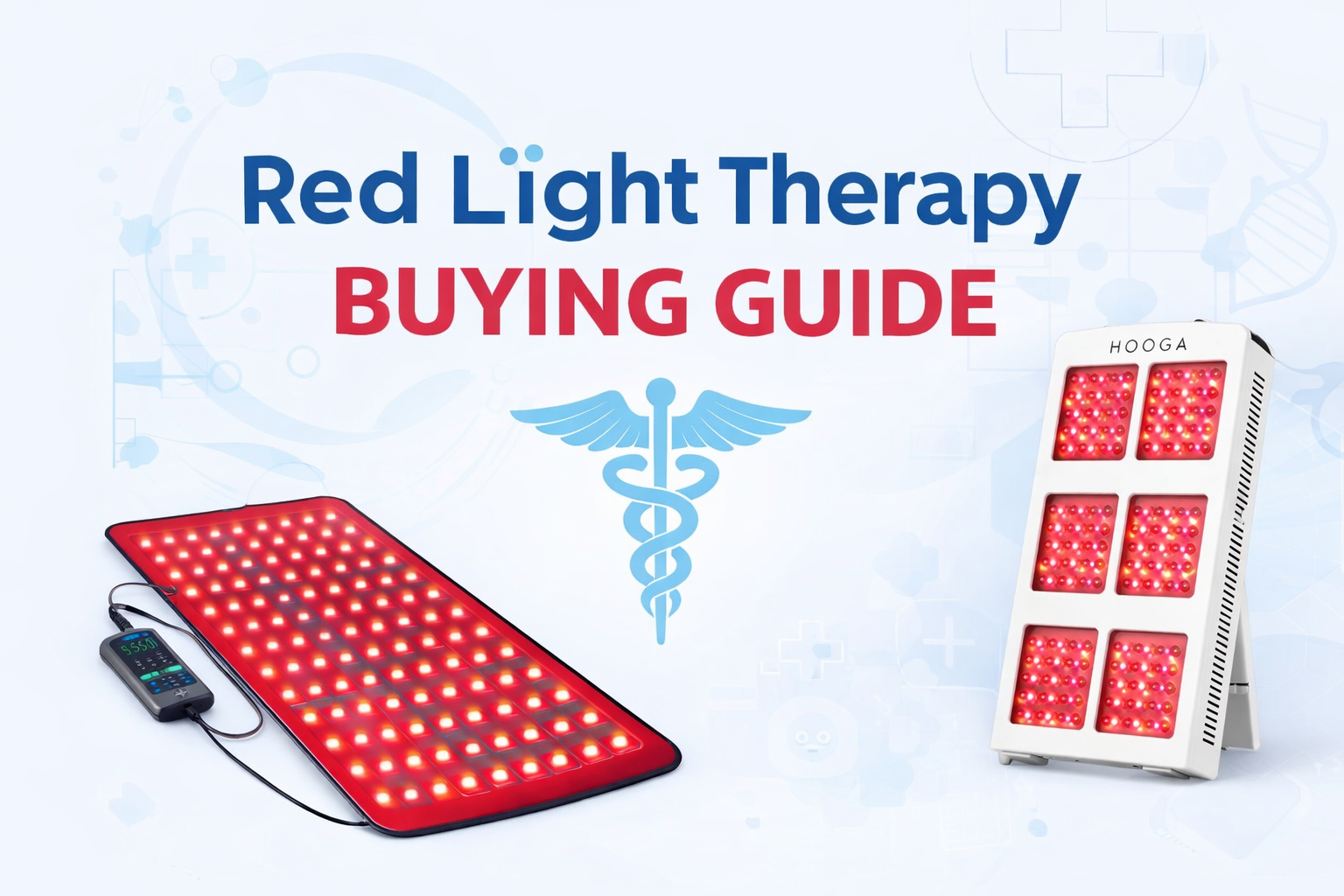
Recommended Red Light Therapy Pads for Home Use
Over the years I’ve worked with professional photobiomodulation equipment, and I’m often asked what people can safely use at home.
Below are several well-reviewed, reputable, and relatively cost-effective options that many people use successfully for recovery and joint support.
The devices listed below were selected based on several factors including wavelength accuracy, build quality, user reviews, warranty support, and availability from reputable retailers.
Best Overall Mat:
LifePro Red Light Therapy Wrap / Mat
LifePro offers flexible therapy wraps and mats designed for joints and muscles.
Features typically include:
• dual wavelengths (660 nm + 850 nm)
• flexible wrap design for targeted areas
• large LED arrays for coverage
• adjustable intensity settings
Many users appreciate their lifetime warranty, which provides long-term peace of mind.
LifePro Red Light Therapy Mat
Large coverage area and flexible design.
Best Budget Wrap:
Bestqool Red Light Therapy Belt
A good entry-level option for targeted areas. (knee, shoulder, ankle, wrist)
Bestqool Red Light Therapy Pads
Bestqool produces several flexible red light therapy wraps and pads used for joint support and muscle recovery.
These devices typically feature:
• dual wavelength LEDs
• adjustable straps
• targeted treatment areas
They are often a good entry-level option for people wanting to try photobiomodulation therapy at home.
I like their larger pads, View those here →
Best Full Body Coverage
Nicebeam Red Light Therapy Mat
Higher LED density with large treatment coverage.
Best Full-Body Red Light Therapy Pods and Bags
For people who want front-and-back full-body coverage at the same time, pod- and bag-style red light devices can be appealing. Unlike standard panels or wraps, these designs surround more of the body in one session, making them attractive for whole-body recovery, general soreness, or people who simply prefer a more immersive setup.
That said, this category gets expensive quickly, and not every glowing “sleep bag” is worth the money. When comparing full-body pod or bag devices, I would focus on:
660 nm + 850 nm wavelengths
overall company reputation
warranty and support
realistic specs and honest marketing
whether the design is a true pod/bag or just a fold-over mat presented like one
For most people dealing with arthritis or localized joint pain, a quality wrap or mat is still the more practical choice. But if you want spa-like, front-and-back coverage in one session, a pod or bag may be worth considering.
My Top Picks for Full-Body Pod / Bag Style Devices
1) Best Overall Balance
LifePro AllevaBody
LifePro’s AllevaBody line is one of the more practical consumer-friendly options in this category. Current listings describe 660 nm + 850 nm output, with versions ranging from about 1,280 LEDs up to 2,300+ dual-chip LEDs, depending on the model and retailer. The biggest advantage is that LifePro is a more established brand in home recovery products, which makes it easier to trust than many mystery-marketplace bag sellers. Prices currently range from about $550 for one wrap-style version up to around $1,400 for higher-end full-body versions.
Best for: people who want a more practical brand choice and stronger peace of mind.
2) Best True Pod-Style Option
Hooga Full Body Pod
If you want more of an actual enclosed pod rather than just a fold-over mat, Hooga’s Full Body Pod is one of the cleaner-looking options. Hooga says the pod contains 1,800 red and near-infrared LEDs, offers high irradiance, and uses two controllers, one for each side of the wrap. Current pricing is about $1,399.
Best for: people who specifically want a true pod-style experience with front-and-back coverage.
3) Premium Alternative
Megelin Red Light Therapy Bag
Megelin offers several bag-style options, with current pricing roughly ranging from $869 for one bag/mat listing to about $1,429–$1,549 for premium full-body bag versions. Megelin also markets some of these devices as FDA-registered or Class II medical-grade on its product pages, though I would still recommend buyers focus first on the practical issues: warranty, support, return policy, and daily usability.
Best for: buyers who are comfortable spending premium-level money and want another true bag-style option to compare.
My Bottom-Line Take
If your main goal is knee pain, shoulder pain, arthritis, or localized joint work, I still think a good wrap or mat is the smarter buy.
If your goal is full-body front-and-back coverage in one session, then a pod or bag style device may be worth the extra cost — but this is one category where I would be especially cautious of aggressive ads, fake urgency, and unclear warranty support.
In other words: don’t let the glowing sleeping-bag gimmick hypnotize you. Specs matter, but so do support, design, and whether you’ll actually use it consistently.
While pads and wraps work well for joints and larger areas of the body, the face requires a different approach.
Red Light Therapy for the Face (Acne & Skin Health)
Recommended Red Light Therapy Face Masks
Dr. Dennis Gross DRx SpectraLite FaceWare Pro
Why it stands out:
This is one of the most recognized and clinically respected LED face masks.
Features:
Red light (anti-aging / collagen support)
Blue light (acne support)
Hands-free, structured mask design
Short, consistent treatment sessions (~3 minutes)
Best for:
People wanting a simple, proven, dermatologist-backed option for skin health and acne support.
CurrentBody Skin LED Light Therapy Mask
Why it stands out:
Flexible silicone design that molds closely to the face for better light distribution.
Features:
Red + near-infrared wavelengths
Flexible, comfortable fit
Good for collagen support and overall skin quality
Hands-free use
Best for:
Those wanting a more contoured, full-face coverage mask.
Why it stands out:
Often considered one of the top clinical-grade at-home masks.
Features:
Red + near-infrared light
Medical-grade LED technology
Flexible design for close skin contact
Strong reputation in dermatology space
Best for:
People wanting a higher-end, clinically trusted option
Facial Use: Choosing the Right Device
When treating the face, pads and wraps are not ideal.
A dedicated LED face mask is designed to:
• distribute light evenly across facial tissue
• sit safely at the correct distance
• provide appropriate wavelengths for skin health
Red light therapy may support:
• acne management (especially when combined with blue light)
• collagen production
• overall skin tone and texture
If you’re considering facial use, look for a device specifically designed for the face rather than adapting a body pad.
Always avoid direct eye exposure and use appropriate eye protection when needed.
⁇ Frequently Asked Questions
Does red light therapy really work for arthritis?
Research and clinical experience suggest that photobiomodulation therapy may help reduce inflammation and improve joint function.
How often should red light therapy be used?
Most protocols recommend 15–30 minutes per session, 3–5 times per week.
Should you drink water after red light therapy?
Yes. Hydration supports circulation and metabolic processes following treatment.
Is red light therapy safe?
When used properly, red light therapy is generally considered a safe non-invasive therapy.
Final Thoughts
Red light therapy is an exciting and rapidly growing field within health and wellness.
Photobiomodulation offers a non-invasive way to support healing, reduce inflammation, and improve recovery without medication or surgery.
From clinical research to real-world results in athletes and arthritis patients, the evidence continues to grow.
While professional treatments can deliver stronger doses, high-quality home devices can be a valuable tool for maintaining joint health, managing pain, and supporting recovery.
If you’re considering red light therapy, start with a reputable device, use it consistently, stay hydrated, and give your body time to respond.
Sometimes the body simply needs the right signal to begin healing..
For a deeper dive into how PBM works in the body, treatment expectations, and what influences results, read here:
👉 Advanced Guide to Photobiomodulation Therapy
Affiliate Disclosure
As an Amazon Associate I earn from qualifying purchases. Some links on this page may be affiliate links, meaning I may earn a small commission if you purchase through them, at no additional cost to you.