
PRP Injections in the Upstate
(Greenville, Easley, Pickens, Anderson):
What Actually Matters Before You Book
Fine Tuning Fitness — Health Explained Series
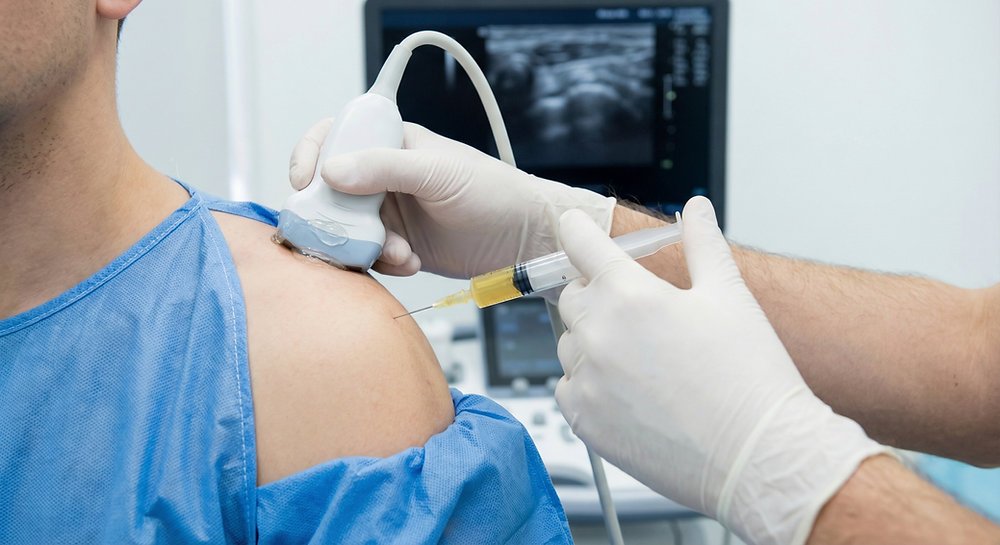
PRP (Platelet-Rich Plasma) injections are one of the fastest-growing treatments for joint pain, tendon injuries, arthritis, and soft-tissue damage. You may have heard athletes swear by it. You may have also heard people say it didn’t work at all.
Both things can be true.
The difference often comes down to how the PRP is prepared and how precisely it’s injected.
If you live in the Upstate — Greenville, Easley, Pickens, Anderson, or Six Mile — here’s the straight story on what PRP is, what it costs locally, why ultrasound-guided high-concentration PRP matters, and what questions to ask before letting anyone stick a needle in your joint.
What PRP Actually Is (In Plain English)
PRP stands for Platelet-Rich Plasma.
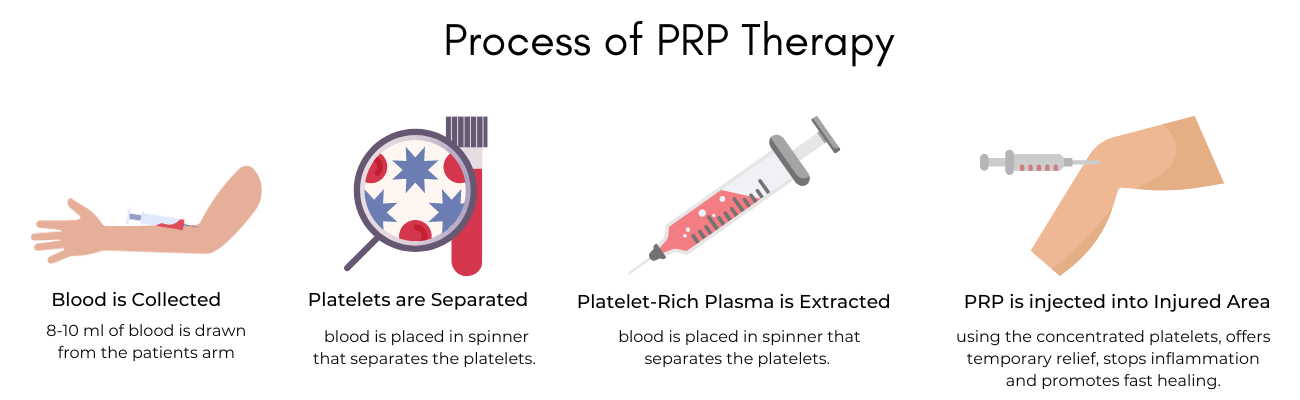
Your blood contains platelets — tiny repair cells packed with growth factors that help tissue heal. When PRP is done properly:
A small amount of your blood is drawn
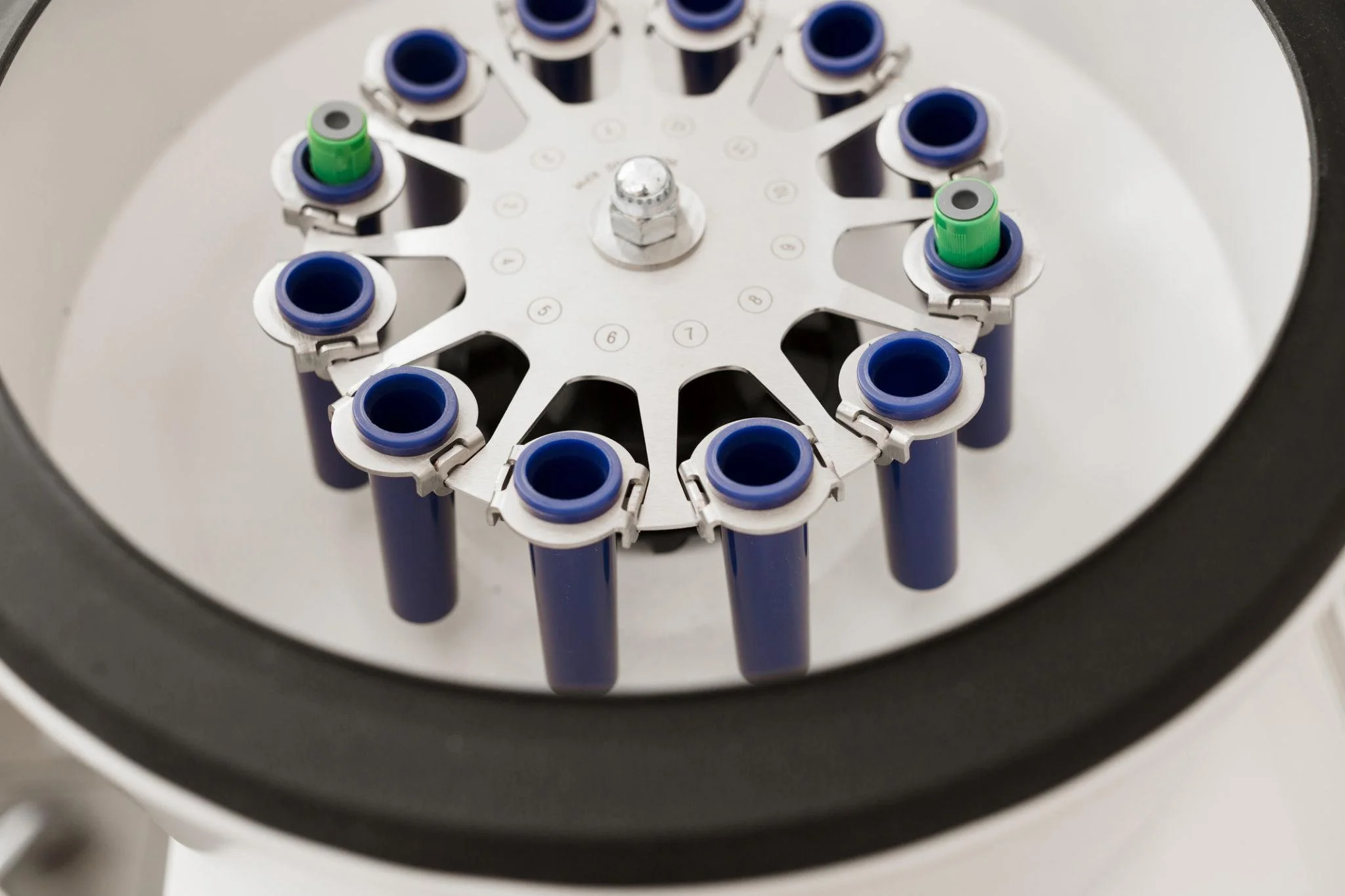
It’s spun in a centrifuge
Platelets are concentrated into a small amount of plasma
That platelet-rich solution is injected directly into injured tissue
Those platelets release growth factors that stimulate healing in tendons, ligaments, joints, and soft tissue.
Think of it like concentrating your body’s natural repair crew and delivering it directly to the injury site.
The Hard Truth: Not All PRP Is the Same
This is the part most clinics don’t explain.
Some PRP injections are incredibly precise and powerful.
Others are basically expensive placebo injections.
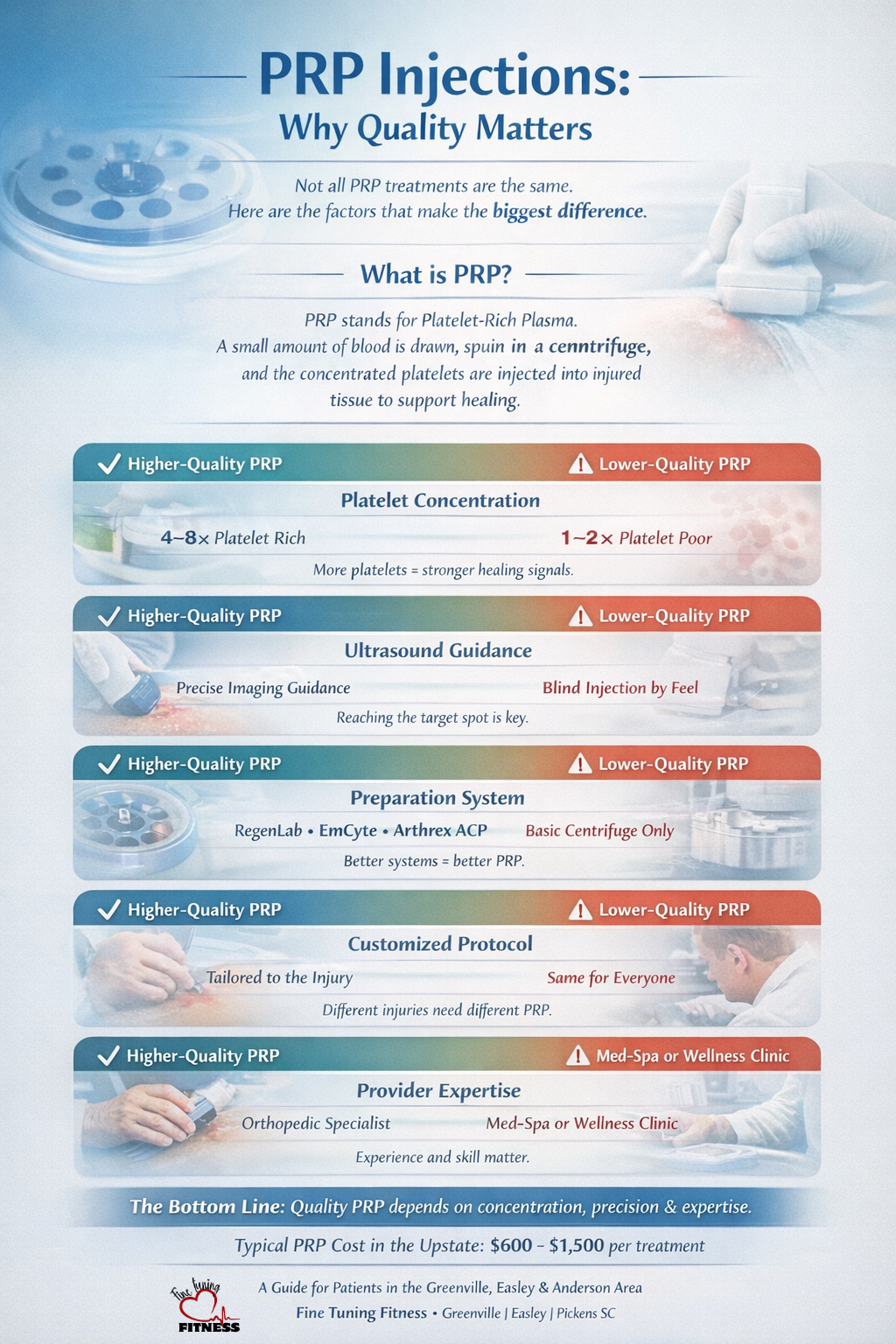
The difference usually comes down to four factors.
1. Platelet Concentration
Good PRP contains 4–8× the platelet concentration of normal blood.
Lower-quality PRP may only be 1–2× concentration, which has much weaker healing potential.
2. Ultrasound Guidance
The needle must reach the exact injured structure.
Without imaging guidance, many injections miss the target.
Ultrasound allows the physician to see:
• tendon tears
• ligament damage
• joint structures
• inflammation pockets
and inject the PRP precisely where healing needs to occur.
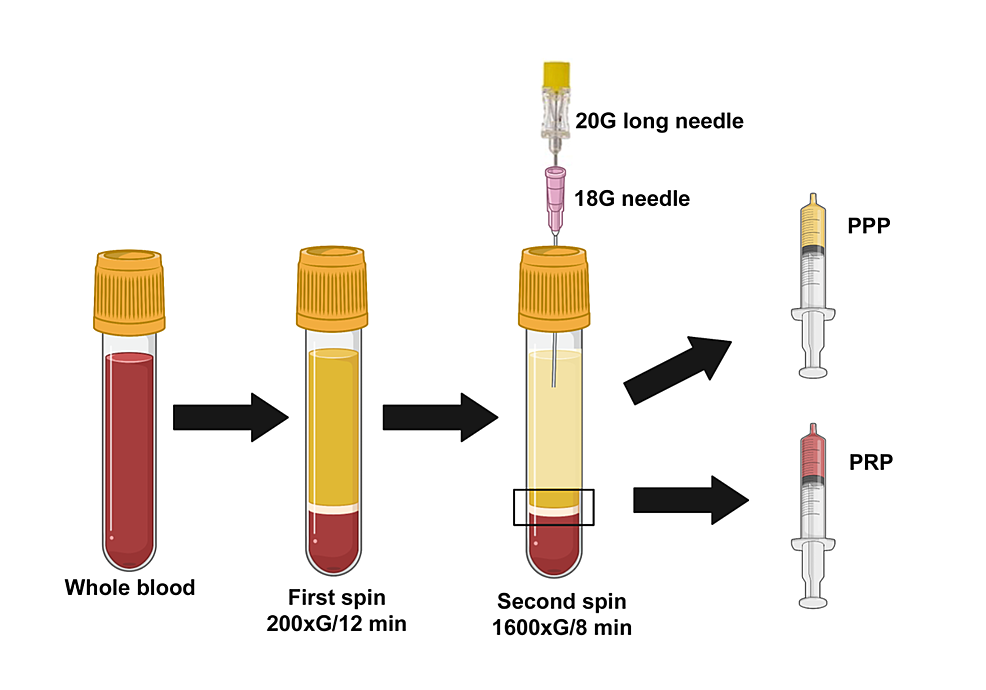
3. Double-Spin Centrifuge Systems
Higher-quality clinics often use systems that spin the blood twice, producing higher platelet concentrations.
Examples include:
• RegenLab
• EmCyte
• Arthrex ACP
These systems typically produce stronger PRP.
4. Correct PRP Type
Not all injuries need the same PRP.
Some benefit from leukocyte-rich PRP (more inflammatory response).
Others require leukocyte-poor PRP (less inflammation).
A knowledgeable physician adjusts the protocol accordingly.
Typical PRP Costs in the Upstate
Most PRP treatments in Greenville and surrounding areas fall into these ranges:

Most conditions require 1–3 injections spaced about 4–6 weeks apart.
Insurance typically does not cover PRP, because many insurers still classify it as investigational.
PRP Providers in the Upstate
Several orthopedic and sports medicine practices in the Greenville area offer PRP as part of regenerative treatment plans for tendon injuries, joint pain, and arthritis.
When researching providers, look for practices that offer:
• ultrasound-guided injections
• orthopedic or sports medicine specialization
• high-quality PRP preparation systems such as EmCyte, RegenLab, or Arthrex
Because PRP protocols vary between clinics, patients should confirm details directly with providers.
Well-known practices in the Upstate that have offered PRP include clinics specializing in:
• orthopedic sports medicine
• regenerative medicine
• interventional pain management
Examples include providers such as:
• Marc Tanner Orthopaedics (Greenville)
• Piedmont Physical Medicine & Rehabilitation
Because provider availability and treatment protocols change over time, patients should verify current services directly with each clinic.
PRP Systems That Produce Stronger Platelet Concentrations
When evaluating clinics, it’s worth asking what PRP system they use.
Some of the more respected systems include:
EmCyte PRP
Often produces very high platelet concentrations (up to about 7× baseline).
Common in orthopedic regenerative clinics.
egenLab PRP
Swiss-designed system used in many orthopedic and sports-medicine practices.
Known for consistent platelet concentration and sterile preparation.
Arthrex ACP
A widely used orthopedic PRP system commonly used for joint and tendon injuries.
Injuries PRP Treats Best
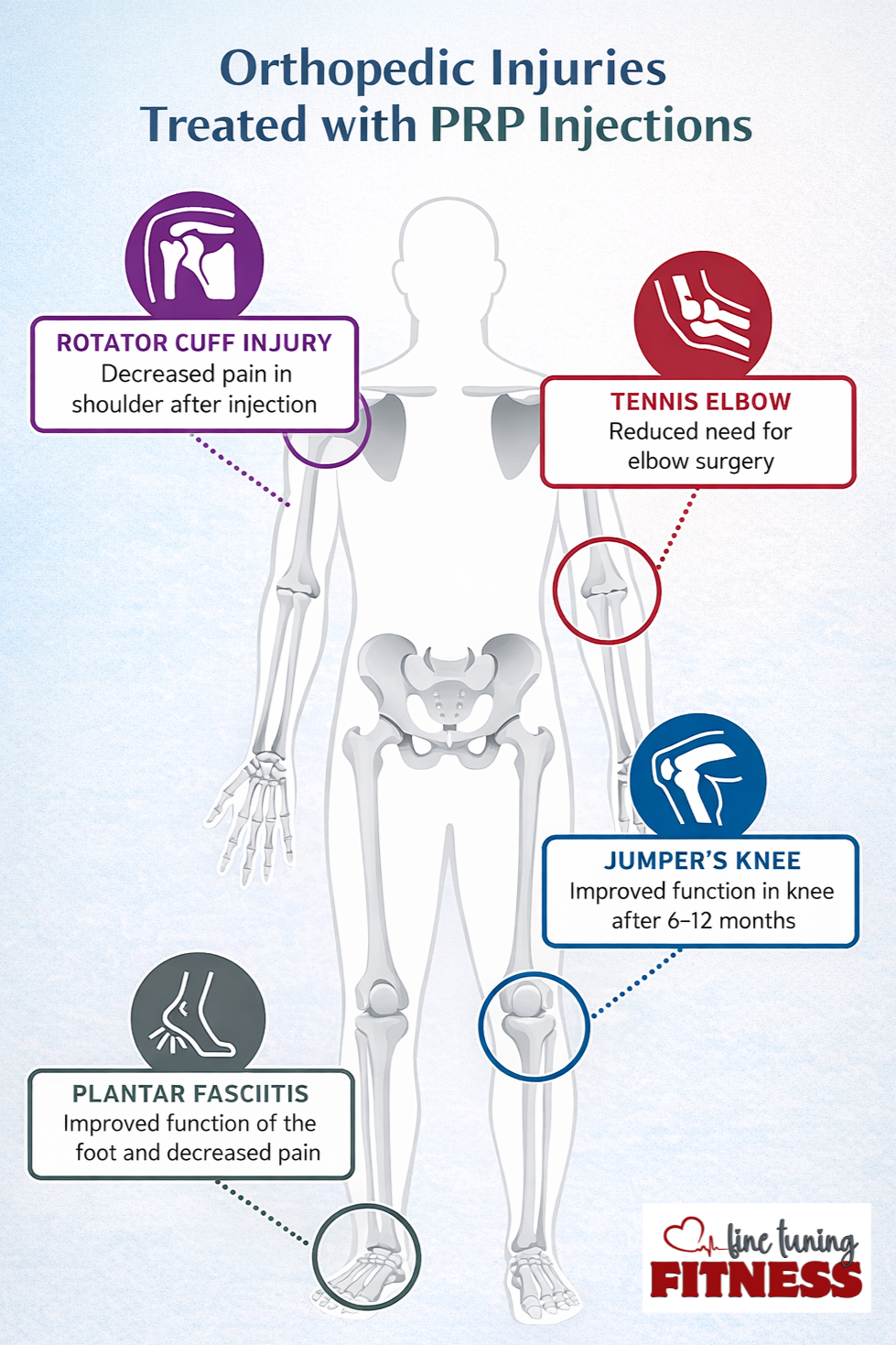
PRP tends to work well for:
• rotator cuff injuries
• tennis elbow
• Achilles tendon problems
• plantar fasciitis
• ligament injuries
• early-stage arthritis
Situations Where PRP Is Less Predictable
PRP may be less effective when there is:
• severe bone-on-bone arthritis
• advanced cartilage loss
• complete tendon rupture
In those cases, PRP may still help with pain but structural repair may be limited.
Final Thought
PRP can be a powerful healing tool — but only when it’s done thoughtfully.
If you’re considering PRP, look for:
• ultrasound-guided injections
• high-concentration platelet systems
• experienced orthopedic or regenerative medicine providers
Those factors matter far more than flashy marketing.
Your body already carries the blueprint for repair.
PRP simply helps deliver the signal — louder, stronger, and exactly where it’s needed.
Educational resource for the Upstate community
Fine Tuning Fitness • Greenville / Easley / Pickens SC
PRP injections Upstate SC, PRP injection cost Greenville SC,
platelet rich plasma injections South Carolina